
How Can Technology Transform Healthcare Logistics Operations?
Healthcare logistics is not simply a back-office activity. It is a pressurized environment. When it breaks, patients suffer, budgets blow up, and staff scramble to recover. There’s no buffer. No grace period. Technology is no longer optional here. It’s the difference between a supply chain that holds together when demand spikes and one that falls apart the second things get tough.
Such demands require a real change in approach. Having inventory on a shelf is not sufficient, but requires detailed forecasting across hospitals, real-time tracking, and smarter fulfilment. Here’s how technology flips the game in healthcare logistics.
The Data Mess
If you’ve ever dealt with healthcare supply chains, you know the drill. Systems are outdated, data is scattered everywhere, and nobody really knows what’s in stock until it’s too late. Spreadsheets from last week? Unfortunately, that’s the reality for a lot of facilities.
Cloud platforms change everything. They pull data from purchasing, usage, finance, and suppliers into one place. Mayo Clinic saw a 23% jump in inventory visibility and cut carrying costs by 15% after going cloud. Hospitals using cloud systems were 35% more resilient during COVID demand spikes.
Why does this matter? Because when you actually know what’s on hand, you stop guessing, you stop running around, and patient care doesn’t get held up by unnecessary inventory errors.
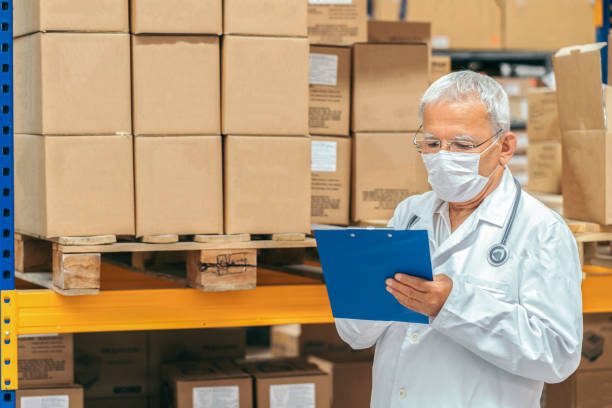
Real-Time Tracking Saves Lives
Some materuials can’t be treated like regular stock. Vaccines, biologics, certain meds — if the temperature is off, they’re ruined. IoT sensors monitor temperature, humidity, and location across the supply chain. It’s not just cool tech. It saves money and keeps patients safe.
One U.S. system cut temperature mishaps by 78% and saved around $3.2 million a year using IoT for cold chain monitoring. Inventory accuracy jumped over 99%, and finding critical equipment got 80% faster. That means faster treatment, less wasted stock, and fewer crises.
Automation in Warehouse Fulfilment
Healthcare warehouses are no joke. Every pick matters. Every label counts. Picking, packing, storing, and shipping all demand precision. One slip can slow care or waste inventory. Automation steps in where humans get stretched. It tightens workflows, cuts guesswork, and keeps things moving fast.
Robots can cut picking errors by up to 80% and boost throughput by 20% or more. By 2030, over 30% of warehouse tasks will be automated. Some facilities see labor costs drop as much as 70%.
The big win? Staff don’t waste hours moving boxes. They focus on quality, exceptions, and keeping everything running smoothly.
AI and Predictive Analytics
Tracking inventory is one thing. Predicting what you’ll need next is a whole other level. Machine learning looks at trends, schedules, seasonal spikes, and forecasts demand with 40% less error than old-school methods.
Healthcare demand isn’t steady. Flu season, pandemics, emergencies — it spikes hard. Better forecasting means less overstock, fewer expired meds, and no last-minute scrambles. Hospitals can plan ahead instead of reacting constantly.
Integration Beats Fragmentation
Here’s a pain point: most healthcare supply chains run on fragmented systems. Purchasing, inventory, usage, and billing are all separate. That reality is sub-optimal to say the least. Integrated systems give you a single view. You know exactly what’s coming, where, and why.
One hospital found $46 million in supplies scattered but untracked until systems were centralized. Integration cuts waste, makes planning easier, and ensures supplies are where they need to be.
Compliance Doesn’t Have to be Resource-intense
Healthcare is heavily regulated for a reason. Mislabel something, mishandle something, and someone could die. You also risk millions in fines. Automated compliance tools handle documentation, timing, and environmental checks for you.
Track-and-trace tech using RFID and cloud platforms logs every product. Audits become less of a nightmare, patients are safer, and risk drops.

Speed and Cost Matter
Delays frustrate patients. Empty shelves frustrate doctors. Blown budgets frustrate everyone. Automation in warehouses cuts order processing from days to hours.
Studies show automation can slash operational costs 20–40% and reduce labour costs dramatically. This isn’t theoretical. It’s measurable, real-world efficiency.
Technology Helps Staff, Not Replaces Them
Automation doesn’t fire people. It reshapes jobs. Staff spend less time on boring tasks and more on problem-solving. 98% of employees in warehouses say automation makes them more productive. Facilities with automation see three times better retention.
That matters in healthcare logistics Canada. Staff burnout is expensive and dangerous. Technology empowers teams to work smarter, safer, and more efficiently.
Real Results You Can See
- Here’s what happens when tech is applied right:
- Faster deliveries get supplies to patients and clinics quicker
- Fewer mistakes mean safer handling of sensitive products
- Smarter inventory cuts waste and unnecessary costs
- Operations can scale up without chaos
- Compliance tracking lowers legal and financial risk
- Predictive analytics makes planning proactive instead of reactive
These improvements hit patients, staff, and the bottom line all at once.
Why i2i Fulfilment Matters
Even with all this tech, someone still has to know what they’re doing. Systems don’t run themselves. That’s where i2i Fulfilment comes in. They combine real warehouse fulfilment Canada experience with smart supply chain technology (in this case their proprietary IBIS system) that actually works in the real world. Fully compliant healthcare warehouses. Automation where it matters. Analytics that make sense. Quality control is baked into every step.
The result is simple. Hospitals stay focused on patients. Supplies show up on time. No scrambling. No guesswork. The logistics run quietly in the background, doing their job without drama or wasted effort.
Bottom Line
All of this progress comes down to execution. Systems matter, but how they are used matters more. When technology is aligned with real operational needs, logistics stops being reactive and starts running with confidence.
The payoff shows up everywhere. Faster order cycles. Fewer errors. Less waste. Teams spend less time chasing problems and more time preventing them. That shift is what keeps operations stable under pressure.
At the centre of it all is strong warehouse fulfillment. It is where strategy turns into action. When fulfillment is smart, connected, and disciplined, healthcare organizations move faster, stay compliant, and deliver better outcomes without added chaos.
FAQs
How is technology enhancing operations in the healthcare logistics sector?
It reduces manual errors, offers teams real visibility into inventory, accelerates fulfillment, and helps to ensure that critical medical products are ready when they need to be.
What is the significance of automation in healthcare warehouse fulfillment?
Automation processes volume without burning out employees, increases accuracy, and keeps operations compliant when orders, regulations, and demand all jump.
Could technology be a solution to drive down costs in healthcare logistics?
Yes. Fewer mistakes, less waste, lower labor costs, and better space utilization all translate into those nickel-and-dime savings that add up over time.
What are the typical technologies involved in healthcare warehouse fulfillment?
These operations are primarily supported by warehouse management systems, barcode scanning, real-time tracking, (as provided by IBIS) and temperature monitoring of critical healthcare inventory.
